

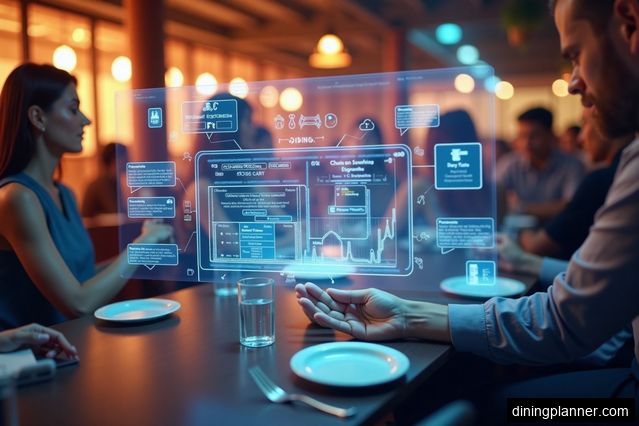
The Evolution of Dining
Over the years, the dining experience has undergone a significant transformation. From traditional brick-and-mortar restaurants to food delivery services, technology has played a crucial role in reshaping the way we eat. The rise of digital dining platforms has revolutionized the food industry, making it more convenient and accessible for consumers.
Enhanced Convenience
Digital dining platforms have made it easier than ever for people to enjoy their favorite meals. With just a few taps on a smartphone or clicks on a computer, customers can browse through a wide range of restaurants, explore menus, place orders, and have food delivered right to their doorstep. This level of convenience has undoubtedly changed the way people dine, allowing them to save time and effort.
Empowering Restaurant Owners
Digital dining platforms have not only benefited consumers but also provided opportunities for restaurant owners. These platforms enable restaurants to reach a larger customer base, expand their business, and increase their revenue. By joining a digital dining platform, restaurants can tap into a vast network of potential customers who may not have discovered them otherwise. Additionally, these platforms often offer valuable tools and insights to help restaurant owners improve their operations and customer experience.
Streamlined Operations
With the integration of digital dining platforms, restaurant operations have become more streamlined and efficient. These platforms often provide features like online ordering, table reservations, and customer feedback systems, which help restaurants manage their operations more effectively. By automating certain tasks and processes, restaurants can focus on delivering great food and exceptional service, ultimately enhancing the overall dining experience.
The Future of Dining
As technology continues to advance, digital dining platforms are poised to play an even larger role in the future of the food industry. With the emergence of artificial intelligence and machine learning, these platforms can personalize recommendations, predict customer preferences, and provide tailored dining experiences. Furthermore, the integration of virtual reality and augmented reality may allow customers to virtually explore restaurant interiors, view dishes in 3D, and make more informed dining decisions.
Embracing Innovation
To stay competitive in the digital age, restaurants must embrace innovation and adapt to the changing landscape. By utilizing digital dining platforms, restaurants can not only attract new customers but also retain existing ones. It is crucial for restaurant owners to invest in technology and explore new ways to enhance the dining experience. Whether it's through online ordering, loyalty programs, or personalized recommendations, the integration of technology can help restaurants thrive in the modern age.